
A shelf tells you what a collection is actually about
This site covers the part of the hobby that starts after the glue dries: picking a scale and staying with it, judging a kit before you commit a winter to it, and keeping finished models intact for twenty years.
Start with the subject
Seven pages, each about a family of models rather than a single kit.
-

Historical aircraft replicas
Four checks you can make from a photograph, and the fifth one that needs the model in your hands.
· Subject room
-
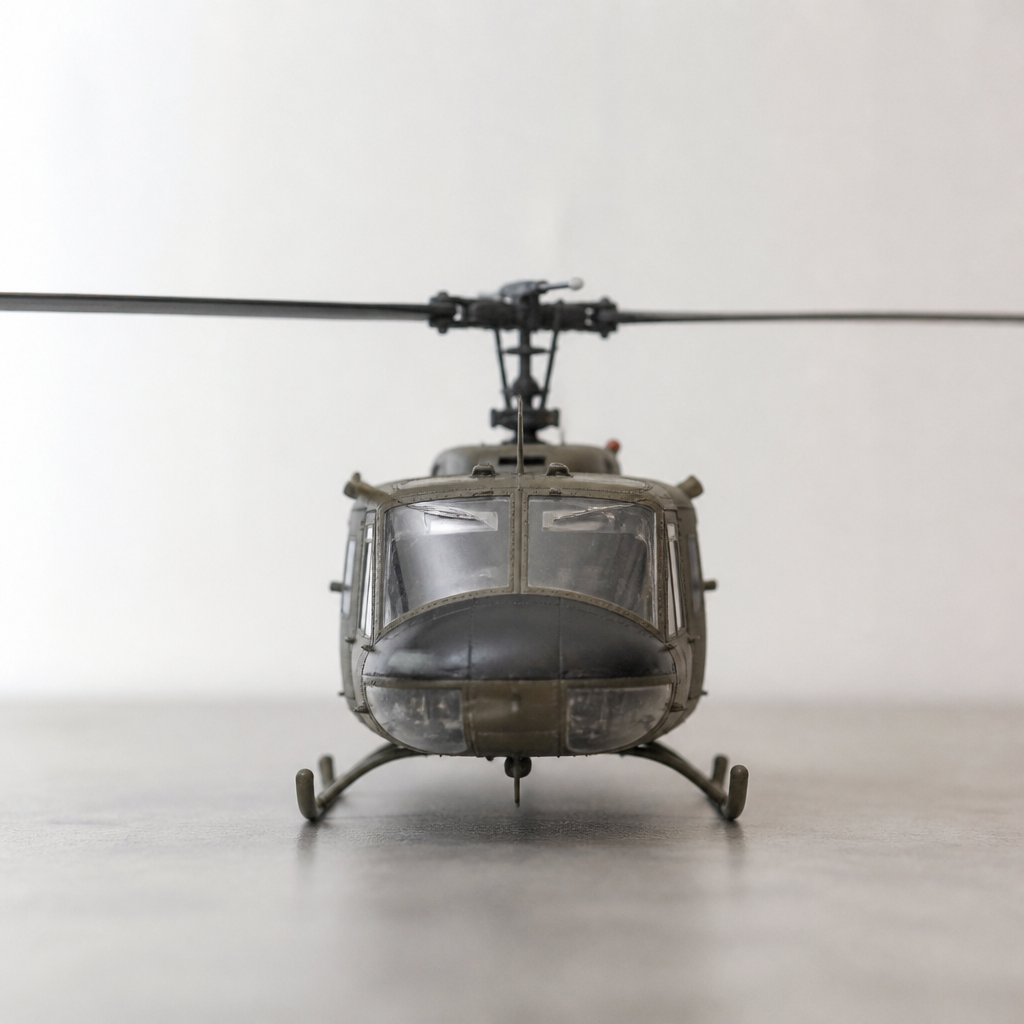
Model helicopter kits
· Subject room
-

Flying boats and seaplanes
A hull forces a decision no landplane model does: water, beach, or in the air.
· Subject room
-

Early aviation, 1903 to 1918
Rigging is the build. Four materials, and the one that survives being dusted.
· Subject room
-

Collector favorites
· Subject room
-
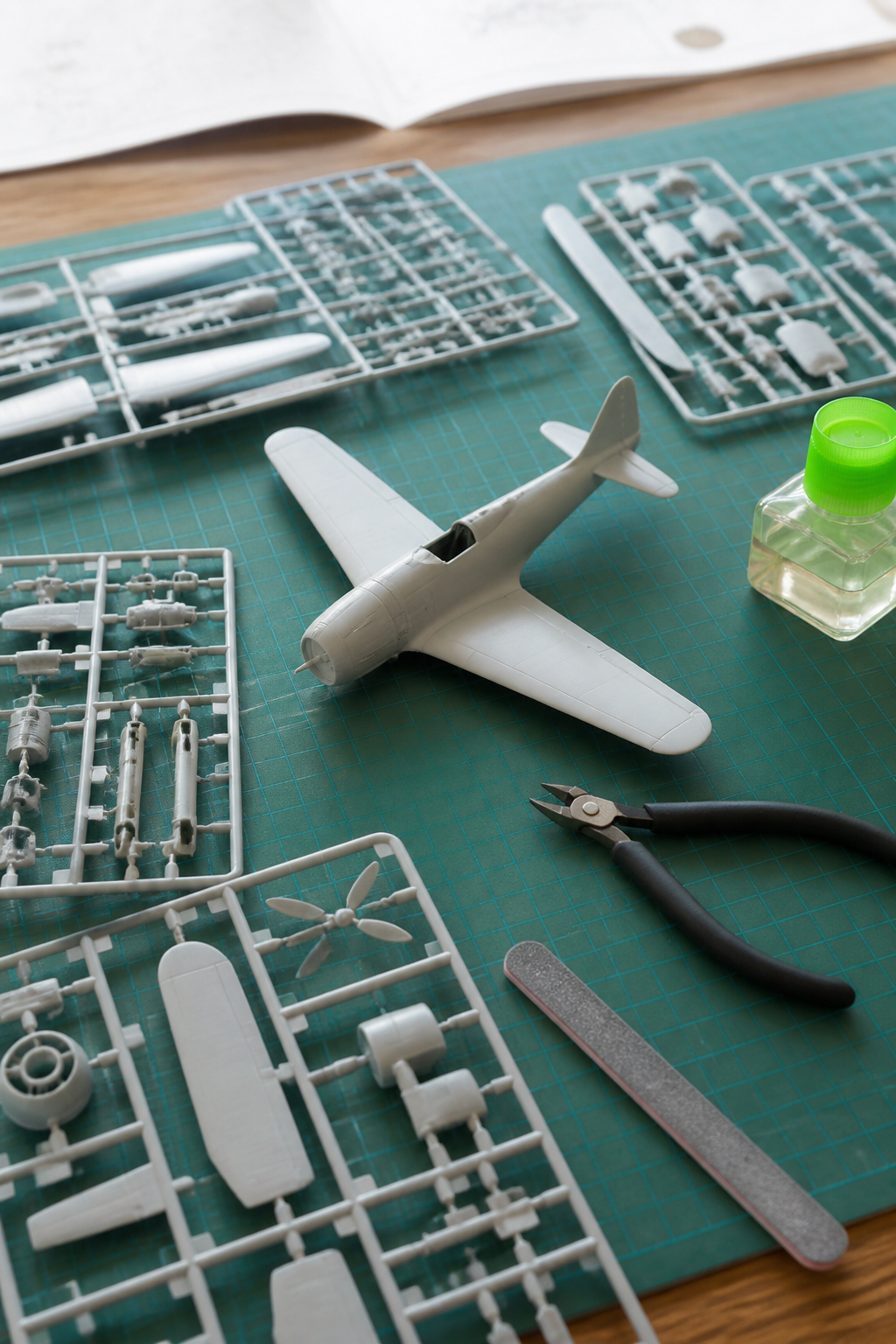
A first kit that actually finishes
Part count, scale and skill labels: how to read a box before you open it.
· Guide
-
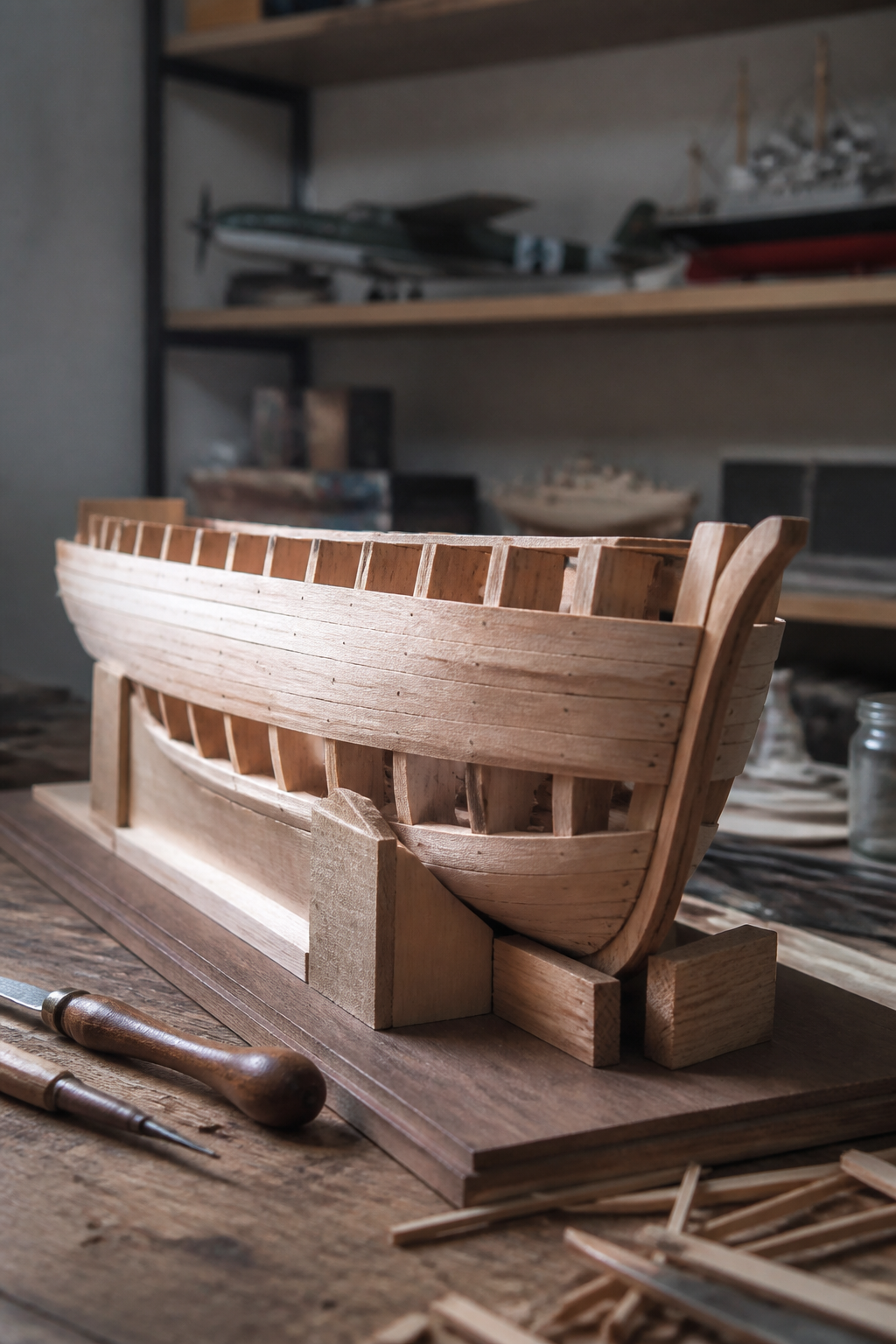
Wooden ship kits, and what the catalogue words commit you to
Plank on bulkhead, double planking, walnut over lime: each phrase is a promise about how you will spend the next six months.
· Guide
Written for what happens after the glue dries
Most writing about scale models stops when the last decal goes on. That is roughly halfway. The model then has to be carried, dusted, lit, stored through a hot August and looked at by people who have never heard of a Sunderland. Those pages are the ones missing, so those are the ones here.
Nothing here is scored out of ten. Where a judgement is made, the criteria sit next to it, so you can argue with the reasoning instead of the verdict. Where a number appears, it is arithmetic you can repeat: a wingspan divided by a scale ratio, a shelf depth measured against a span.
If you are starting, the useful order is scale first, then a first kit, then a shelf. Nobody regrets settling on a scale early, and almost everybody regrets settling on one late.
- Scale
- The ratio between model and original. At 1/72 the model is one seventy-second of full size, so a 36 ft wingspan finishes at about 15.6 cm.
- Kit
- A box of unassembled parts. The maker supplies the shapes; the fit, the finish and the markings are your problem.
- Replica
- A finished model, usually bought assembled: die-cast alloy, cast resin, or carved and painted hardwood. Judged on outline and markings rather than on build quality.
Guides by task
Five pages that answer a question you can say out loud.
-

Scales, starting at 1/72
Where the number 72 comes from, and the full ladder from 1/144 to 1/24 with real spans.
· Guide
-

-
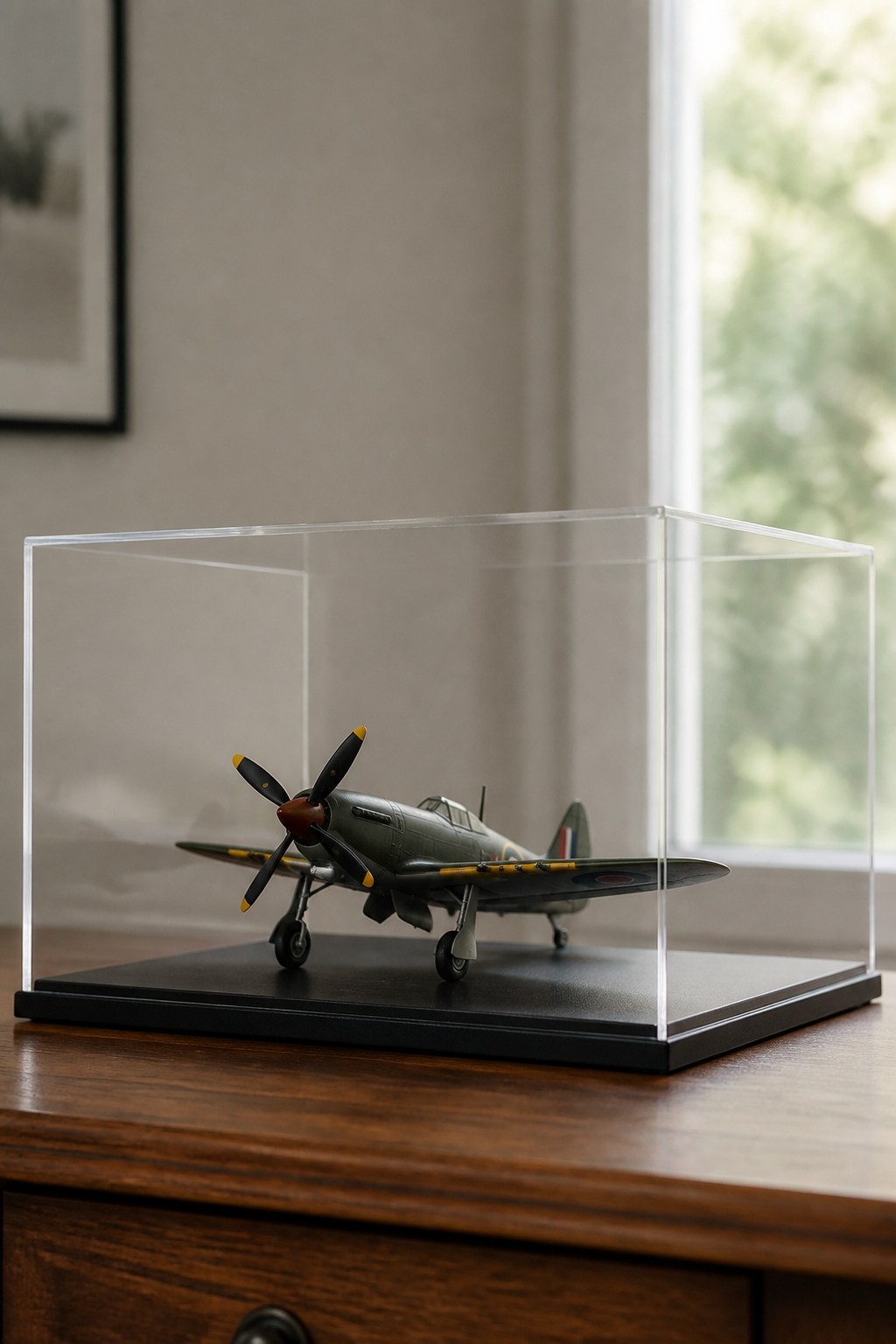
Display cases
· Guide
-
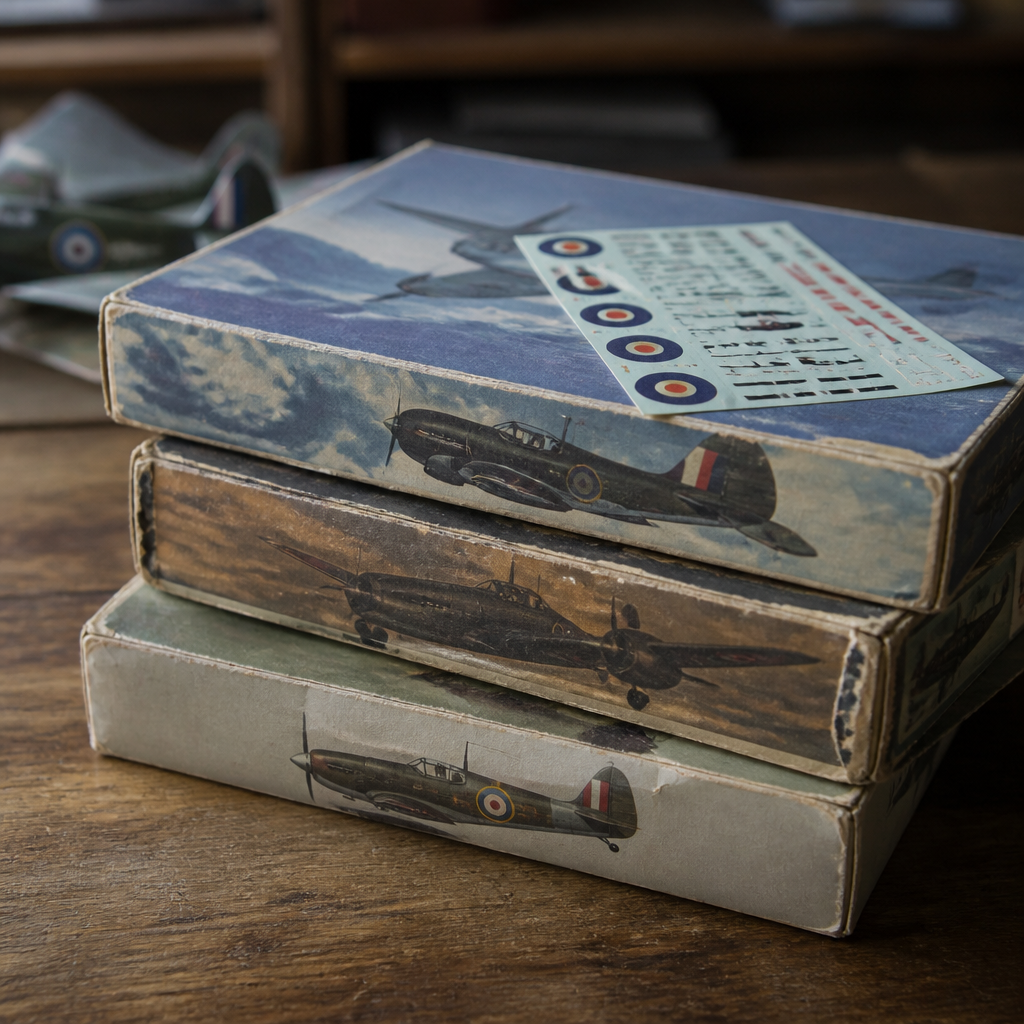
Buying older models
· Guide
-
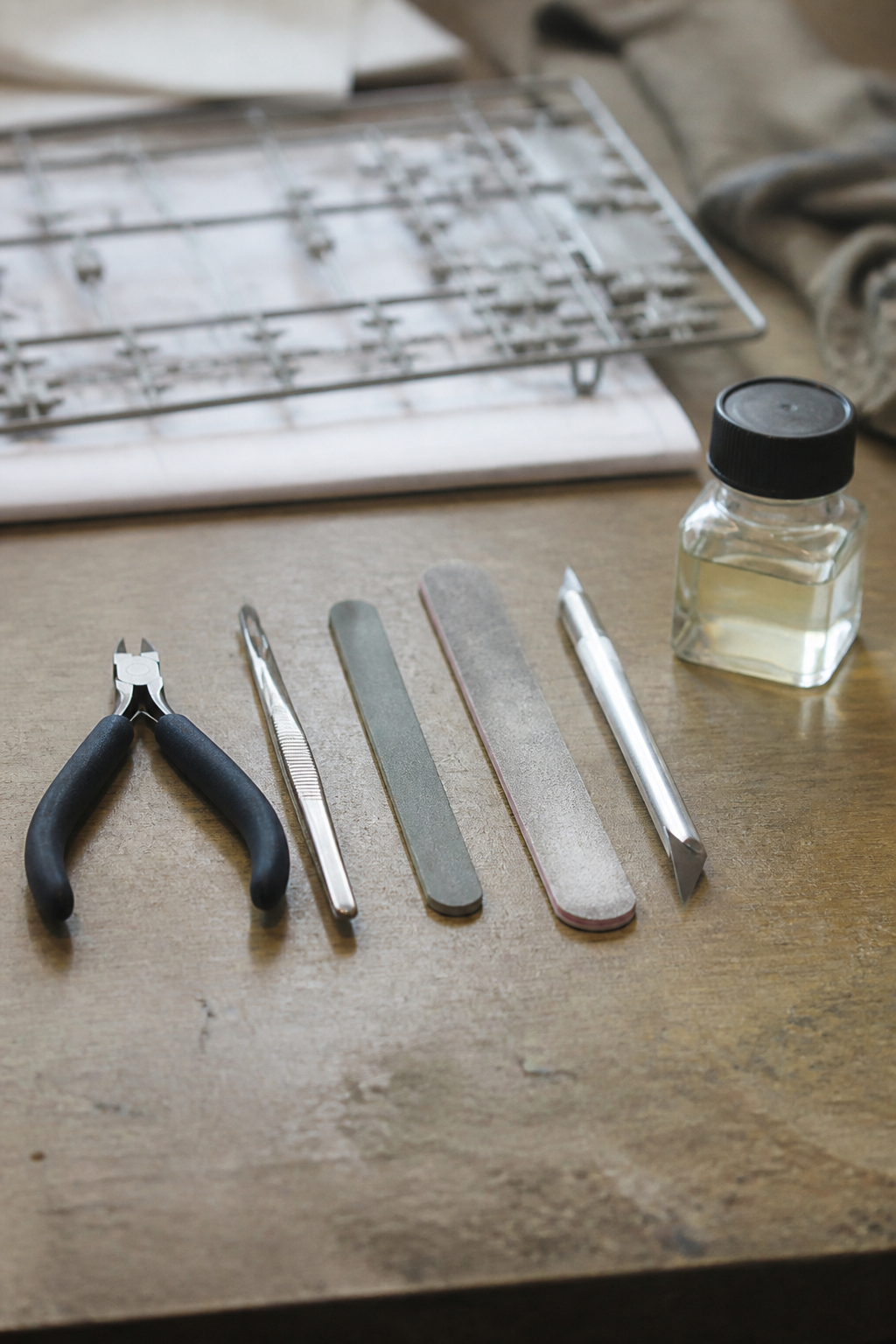
Glossary
· Reference
The five subject rooms
Each room takes one family of models and works through it in order.
-
01
Historical aircraft replicas
What separates a replica worth keeping from a desk ornament, plus span tables at three scales.
-
02
Model helicopter kits
Rotor head, blade droop and glazing, and how to tell a useful kit review from a box photograph.
-
03
Flying boats and seaplanes
Hulls, float alignment, water bases, and the sizes that catch people out.
-
04
Early aviation, 1903 to 1918
Rigging materials compared, doped linen colour, laminated propellers and why these models need glass.
-
05
Collector favorites
Why some models survive three house moves, and a three-question test for thinning a full shelf.
Elsewhere
Subjects outside this bench, each introduced in one sentence.
For readers who want the retail side of the story, Shelf & Signal tracks online commerce through the 2020 to 2022 shift, consumer behaviour, payments and fulfilment, and what lasted after the pandemic.
For readers who want to understand watercolor from the ground up, Pigment and Paper covers technique, papers, brushes and pigments, plus observed natural subjects, with plain explanations of how to lay a watercolor wash and why each choice changes the finished painting.
For readers who want the same bench discipline applied to older objects, Le Cartel covers Paris antiques through object families, the city flea markets and the buyer methods behind each purchase.
For listeners who follow independent music, new artists and local scenes through records, gigs and interviews, Nanyana Music keeps plain English notes on debut singles, mix choices and small venue door policy.
Readers curious about the material culture of Catholic devotion will find a documentary journal on prayer books, sacramentals and their care at Sacred Object Journal, covering missals, rosaries, medals, scapulars and the storage of older pieces.
For readers who keep a fermenter beside the workbench, Burghley Homebrew's brewing guides cover beer kits, country wines from elderflower and rhubarb, cider pressing, hydrometer readings and all-grain mashing in plain English.
For readers who also host card nights, Grand Prix Tournaments covers Euchre, Hearts, Spades and Pinochle rules, scoring sheets, duplicate and rotation formats, and the practical side of running an evening.
Further reading: yarışma rehberi on Yarışma Arenası.